
Colon Cancer Risk Alert: Symptom Recognition, Dietary Impact, and Age-Related Risk Analysis
Colon cancer is the third most common cancer among adults in the United States. Understanding its symptoms, dietary risk factors, and age-related incidence trends is essential for early detection and effective intervention. Many individuals now seek colon cancer screening, at-home colorectal cancer test kits, risk assessment services, and specialized cancer treatment centers to identify potential issues earlier and reduce long-term medical costs. For high-risk groups, exploring insurance coverage for colon cancer and available financial assistance programs has also become increasingly important.
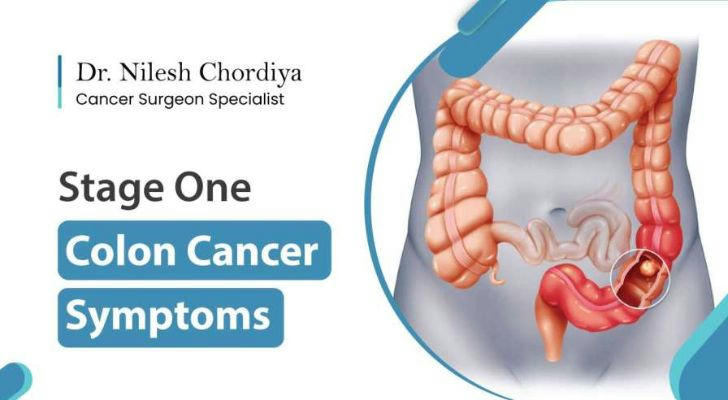
1. Key Symptoms of Colon Cancer
Early-stage colon cancer often shows subtle symptoms. If you experience multiple of the following 7 common symptoms, seek medical evaluation promptly:
- Persistent abdominal pain or bloating
- Changes in bowel habits (ongoing constipation or diarrhea)
- Blood in stool (bright red or dark blood)
- Feeling of incomplete bowel evacuation
- Unexplained rapid weight loss
- Persistent fatigue or weakness
- Symptoms related to anemia (pale skin, dizziness)
These symptoms may indicate intestinal abnormalities. Early diagnostic procedures, such as colonoscopy, are critical for confirmation.
2. Dietary Habits and Colon Cancer Risk
Epidemiological studies indicate that long-term consumption of certain beverages may increase the risk of colon cancer. These include:
- Sugar-sweetened carbonated drinks
- Processed fruit juices and sugary beverages
- High-caffeine energy drinks
- Alcoholic beverages (beer, spirits, etc.)
- High-sugar milk teas and sweet drinks
- High-fat dairy beverages
- Artificially sweetened drinks
- High-salt sports drinks
- Artificial fruit-flavored drinks
These beverages may promote gut microbiota imbalance and chronic inflammation, increasing cancer risk. It is advisable to prioritize water, unsweetened tea, and natural fruit and vegetable juices to maintain intestinal health.
3. High-Risk Groups for Colorectal Cancer
1. Age & Genetic Factors
- Adults aged 50 and above
- Individuals with a family history of colorectal cancer or adenomatous polyps
- People with hereditary cancer syndromes (e.g., FAP, Lynch syndrome)
2. Chronic Intestinal Conditions
- Patients with ulcerative colitis
- Patients with Crohn’s disease or other inflammatory bowel diseases
- Individuals with a history of adenomatous polyps
3. Diet & Metabolic Factors
- Long-term high-fat, low-fiber diet
- High intake of red or processed meats
- Obesity or metabolic syndrome
4. Lifestyle-Related Risks
- Sedentary lifestyle with little physical activity
- Regular smoking
- Heavy or long-term alcohol consumption
4. Age-Related Risk Analysis and Colon Cancer Trends
- Adults aged 50 and above: Significantly higher incidence rates; this is the traditional high-risk group. US guidelines recommend starting regular screening at age 50.
- Adults aged 40-49: Increasing incidence in recent years, especially among those with unhealthy lifestyles. Some high-risk individuals should consider earlier screening.
- Adults under 40: Lower incidence but an increasing trend; symptoms are often overlooked leading to late-stage diagnosis.
5. Colorectal Cancer Stages and Estimated Survival Time
| Stage | Typical Characteristics | 5-Year Survival Rate | Estimated Survival Time (Days) |
|---|---|---|---|
| Stage I | Tumor confined to the inner layers of the colon | ~90% | ≥ 1,825 days (more than 5 years) |
| Stage II | Tumor invades the muscle layer but no lymph node involvement | 75%–85% | 1,095–1,825 days (3–5+ years) |
| Stage III | Spread to regional lymph nodes | 60%–70% | 730–1,825 days (2–5 years) |
| Stage IV | Distant metastasis (e.g., liver, lungs) | 15%–20% | 365–1,095 days (1–3 years) |
Note: These numbers represent population-level averages for educational purposes only. Actual survival varies widely depending on age, overall health, response to treatment, and tumor biology.
Early screening and diagnosis greatly improve treatment outcomes and survival. Individuals meeting criteria should undergo timely colonoscopy screening, with high-risk groups advised to start earlier.
6. Summary
Colon cancer prevention and early detection are key to reducing mortality. Paying attention to bodily symptoms, improving dietary habits, and adhering to age- and risk-based screening recommendations can effectively reduce colon cancer risk. Seek medical advice promptly if symptoms arise to enable early treatment and better prognosis.