
🇦🇺 Government-Supported Dental Care in Australia: What Services Are Covered?
Subsidised dental care | Government-supported dental services | Low-income & senior groups
Many people only start paying attention to dental care when a tooth becomes loose, painful, or suddenly goes missing. If you are looking for government-supported dental services or subsidised dental care, especially for low-income groups or seniors, it is important to know that these programs can help with common treatments such as teeth cleaning, cavity fillings, and tooth extractions, while supporting overall oral health.
Australia’s public health framework offers government-supported dental care for essential oral health needs, helping people of all ages maintain function and comfort as dental issues develop.
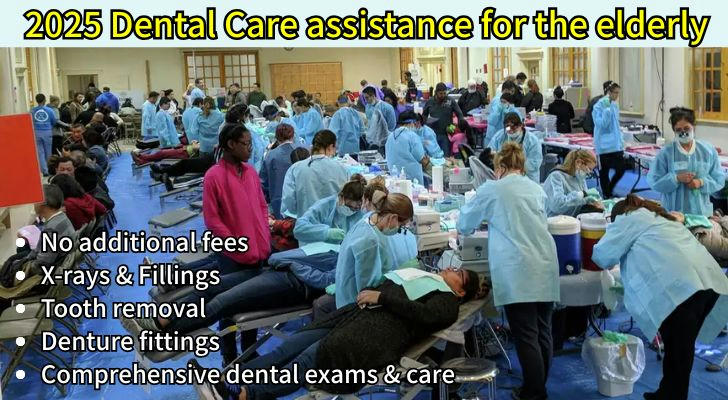
The support is funded through federal and state initiatives aimed at expanding access to essential dental services, particularly for children, low-income adults, and seniors.
🦷 Common Dental Services
Government-supported dental care mainly helps with everyday oral health problems, not cosmetic procedures. Common services include:
- Teeth cleaning and dental hygiene: remove tartar and plaque, prevent gum problems
- Dental check-ups: check for cavities, gum inflammation, or tooth damage
- Cavity treatment and fillings: repair small holes and prevent further decay
- Tooth extractions: remove teeth that are badly damaged or causing pain
- Gum care and periodontal treatment: control bleeding, prevent gum disease, protect remaining teeth
- X-rays and oral examinations: detect problems in teeth and roots
- Pain management: relieve discomfort from tooth or gum problems
These services are part of essential dental care and can receive partial support or subsidies through government-supported dental services, especially for low-income groups and seniors.
🦷 Dental Care Needs by Number of Missing Teeth
Dental problems often appear gradually. Many people first notice issues when one tooth is lost, and additional teeth may be affected over time.
🦷 Missing 1 Tooth
- Focus: check surrounding teeth and gums, prevent further problems
🦷 Missing 2–3 Teeth
- Impact: reduced chewing efficiency, more pressure on remaining teeth, higher gum problem risk
- Action: usually start structured dental care through public services
🦷 Missing 4 or More Teeth
- Impact: long-term gum problems, oral instability, discomfort
- Focus: oral health management, pain relief, protect remaining teeth
👥 Who Can Access Government-Supported Dental Services?
Eligibility generally depends on:
- Enrollment in public dental programs
- Low-income or concession card status
- Clinical assessment by dental professionals
- Referral through public or community dental clinics
Each case is individually evaluated based on clinical priority and oral health needs.
👨👩👧👦 Dental Care Support by Age
🧒 Children & Teenagers (0–17 years)
- Focus: preventive check-ups, early cavity treatment, support healthy oral development
- Goal: reduce complex dental issues in the future
🧑 Adults (18–64 years)
- Focus: accumulated dental issues, gum disease, delayed treatment
- Goal: address essential care needs before problems worsen
👴 Seniors (65+ years)
- Focus: multiple missing teeth, gum sensitivity, maintaining chewing ability
- Goal: sustain comfort, oral function, and overall dental health
📝 How People Usually Access Public Dental Care
Access typically follows a public health pathway:
- Contact a public or community health centre
- Undergo an oral health assessment
- Determine essential dental needs
- Referral to public dental services
- Treatment priority assigned based on clinical urgency
⏳ Waiting times vary depending on location, demand, and individual oral health conditions.
🔍 Conclusion
Australia’s government-supported dental care helps people manage everyday oral health needs across all ages and levels of tooth loss.
From one missing tooth to multiple teeth, and from children to seniors, understanding public dental services and access pathways can help people make the most of government-supported dental care.
🔗 Related Topics
Public dental services Australia | Subsidised dental care | Oral health support programs